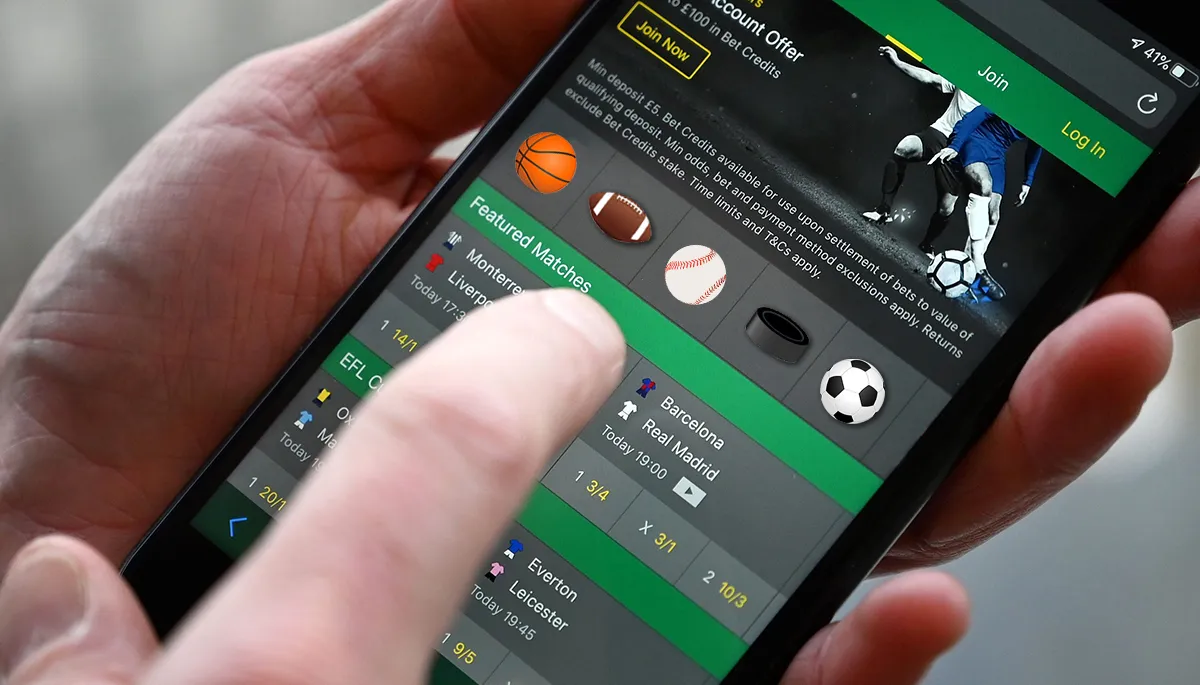
If you follow UK betting at all, 2026 is a year to clock, not because the games look different, but because the promo noise around them does. New rules have kicked in that reshape what promotions can look like and how they’re presented. And if you’re the type who bets NFL Sundays, dabbles in props, or hits markets across a full slate, this matters.
Why? Because promos don’t just sit there politely. They arrive at the exact moment you’re already locked into the schedule, the storylines, the injury reports and they’re designed to nudge you into acting fast. The better you understand the shift, the easier it is to keep your process intact.
2026 Is a Reset Year for UK Promos (And That’s the Point)
The UK has been pushing for simpler, clearer promotions for a while. What’s changed in 2026 is that the “direction of travel” has become real-world enforcement. In other words, the era of overly clever, multi-step promo mechanics is being squeezed.
In theory, that’s great news for bettors. Offers should be easier to understand without feeling like you need to decode a puzzle. You’ll see fewer “do this, then do that, then unlock something else” chains. You should also see key terms and things like expiry windows and conditions that affect withdrawals show up more clearly instead of being buried.
But here’s the part worth saying out loud: even a simpler offer can still make you do something dumb if you let it hijack your timing. Clearer promos don’t automatically mean better decisions. They just remove one excuse.
What the Regulator Is Trying to Fix (In Plain English)
These changes didn’t come out of nowhere. The UK Gambling Commission has been looking at which promo mechanics cause the most confusion and frustration—especially the ones that push people toward harm or complaints later.
The big theme is simple: clarity before commitment. If an offer has conditions that matter, those conditions should be understandable before you opt in, not something you only discover after you’ve already placed bets and tried to cash out.
That principle is useful even if you never read a single regulatory update in your life. Think of it as a personal rule: don’t accept a deal you can’t explain back to yourself in one sentence.
The “Promo Trap” on Sundays: Why Offers Mess With Good Process
Anyone who takes fantasy, props, or even casual bankroll discipline seriously already has a routine. You scan the slate, check injury news, figure out which angles actually make sense, and then decide where your money goes.
You wouldn’t set a DFS lineup because your phone buzzed.
But promos are built to interrupt you right at the point of maximum attention. A Sunday morning notification, a “limited time” banner, or an offer tied to the early game doesn’t care about your research. It’s not responding to your analysis—it’s responding to a marketing calendar. And it shows up precisely when you’re already mentally in the zone, which makes it feel more relevant than it really is.
That’s the promo trap. Not a scam. Not necessarily dishonest. Just a system that benefits when you click first and think second. The 2026 reforms can make the terms clearer, but they won’t change the timing or the psychology.
A “Promo-Proof” Decision Routine for Game Day
You don’t have to swear off offers. You just need a routine that stops the promo from driving the car.
Here’s a simple six-step process that takes about two minutes:
- Pause before you even open it.
Ten seconds is enough. You’re trying to break the reflex. - Set your stake cap first.
Decide the maximum you’re willing to spend for this game/session before you read a single detail. The promo doesn’t get to change that number. - Pick your market based on your own read.
What were you going to play anyway? Write it down if you have to. The offer should fit your bet—not the other way around. - Check the time window.
When does it expire—and when does the clock start? Time pressure is a tactic. Your job is to see it for what it is. - Look for the two deal-breakers.
Minimum odds (if it’s a sportsbook offer) and withdrawal conditions. Those two usually tell you whether the headline has real value or just looks good. - Only then opt in—or don’t.
If it matches the bet you’d place anyway, fine. If it changes your bet, your stake, or your plan, that’s your cue to skip it.
For a reference on how the key terms of a free bet offer are typically laid out on a single page—so you can run step 5 faster—this best free bets offers (ToffeeWeb guide) resource is a useful format to sanity-check against before you opt in.
Quick Do / Don’t (keep it simple):
- Do decide your bet before the promo. Don’t let the promo choose your market.
- Do set a stake cap. Don’t bet bigger because it “feels cheaper.”
- Do check minimum odds and withdrawal conditions. Don’t assume “free” means withdrawable.
- Do screenshot terms. Don’t rely on the headline as the whole story.
Bankroll Still Wins: Promos Don’t Change Expected Value
A promo is basically a discount. It can reduce cost or add a little extra value around the edges—but it doesn’t magically make a bet more likely to win. The underlying market doesn’t care that you’ve got an offer attached.
Where people get burned is the quiet mental shift from:
- “I was already going to bet this.”
to - “I’m betting this because the promo is here.”
That’s how promos turn into bad habits. The bettors who get the most long-term value out of offers treat them like a bonus on decisions they’d already made—not a reason to make different decisions.
And if you track your bets (even lightly), it becomes obvious. Most people see the same pattern: weeks with heavy promo activity are the weeks discipline slips. A little record-keeping makes that visible—and once it’s visible, it’s easier to fix.
Responsible Gambling: A Short Note
Set a session budget before game day and treat it as a hard limit—not a starting point for negotiation. Losses don’t improve your edge, and chasing usually makes things worse.
Most UK-licensed operators also include tools like deposit limits, cool-off periods, and self-exclusion in account settings. They’re there for a reason, and using them isn’t dramatic—it’s just smart.
If gambling starts spilling into the rest of life—money stress, time loss, mood changes—the NHS support page has clear guidance on where to get help. 18+ only.
Related Reading on Roto Street Journal
If the bankroll discipline angle hits home, Roto Street’s archive piece on bankroll management tips for NFL betting is a good companion read—unit sizing, record-keeping, and how to approach a full season without letting one weekend dictate the whole mood.
This article is for informational purposes only. UK gambling regulations and operator terms can change—always verify current conditions directly with the operator. 18+ only. Please gamble responsibly.