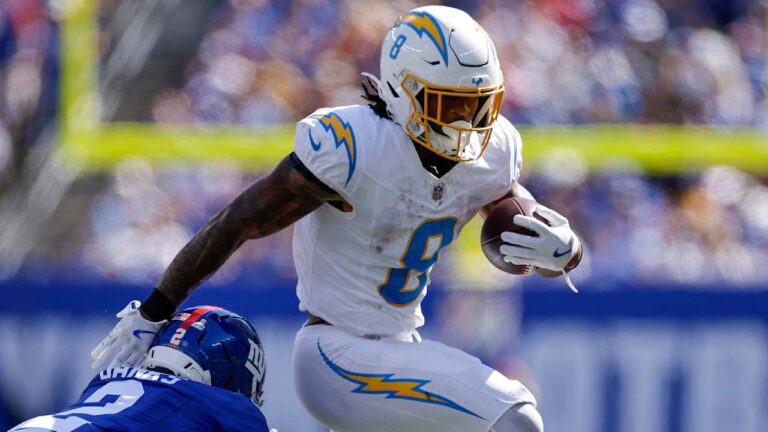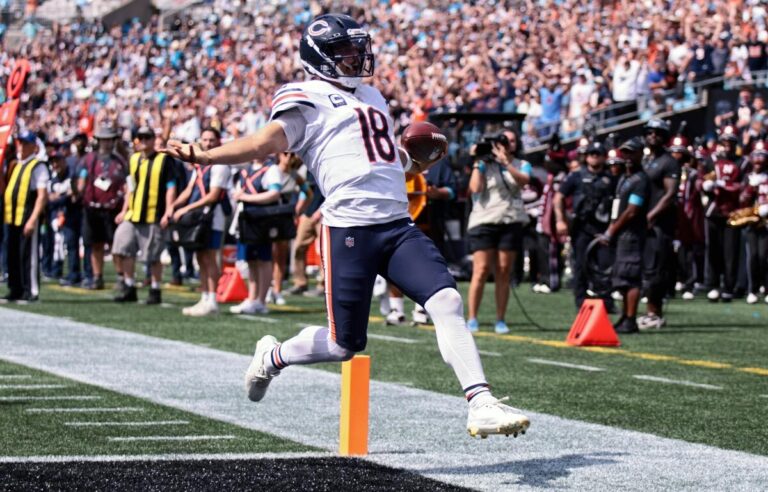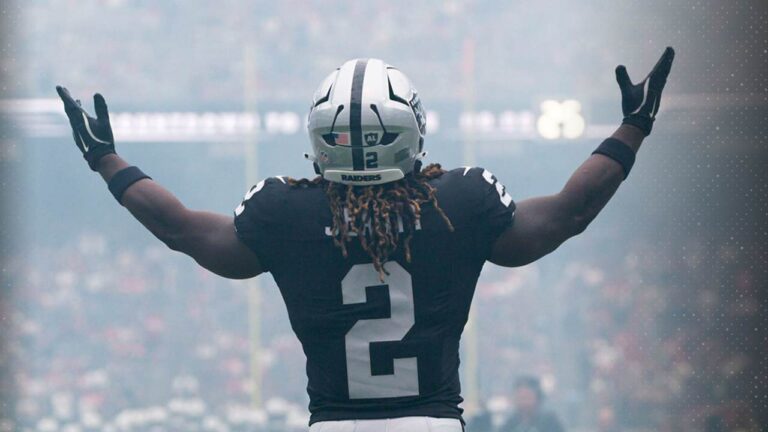
A tier down is easily the most misunderstood move in dynasty fantasy football. Most managers treat it like a video game transaction. They fire up a trade calculator, match the arbitrary market values, hit send, and wonder why their team gets worse six months later. A smart tier down keeps your weekly ceiling intact.
Trading in a vacuum will kill your roster. True tier-down trades aren’t about balancing a spreadsheet. They’re about taking advantage of market disconnects, converting hype into liquid assets, and maintaining your weekly points per game while everyone else overpays for brand names.
If you want to master the tier down without destroying your starting lineup, you need to understand eight core mechanics: leveraging your league format, exploiting production flatlines, timing the market calendar, and demanding bulletproof liquid assets in return.
Table of Contents
Why League Format Dictates Every Tier Down Dynasty Trade Strategy
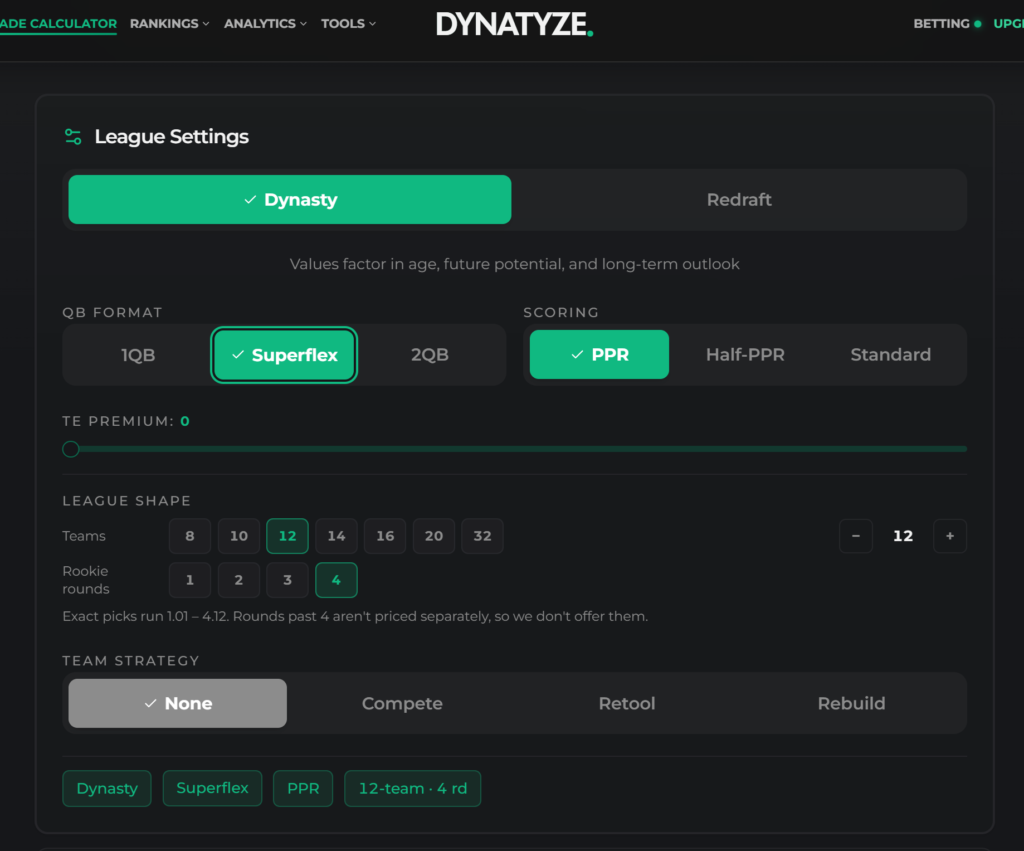
Before you even think about putting a superstar on the trading block, look at your league settings. A move that makes complete sense in a deep 14-team league will completely wreck you in a shallow 10-team league.
In shallow formats like a 10-team, start-9 league, weekly ceiling is everything. Stars win those titles. If you trade a blue-chip superstar for three average starting options, you just traded a dollar for four quarters. All you accomplished was clogging up your bench with guys you’ll hate choosing between every Sunday morning. Never trade away raw weekly ceiling in a shallow league unless you’re getting an absolute haul of talent, high-end draft picks, or both!
Flip that script in a 14-team, start-11 format. High-volume depth actually wins games there. Dropping down a notch at wide receiver to pick up an extra legitimate starter and a pick can completely change your baseline points per week across your roster.
Positional context matters just as much:
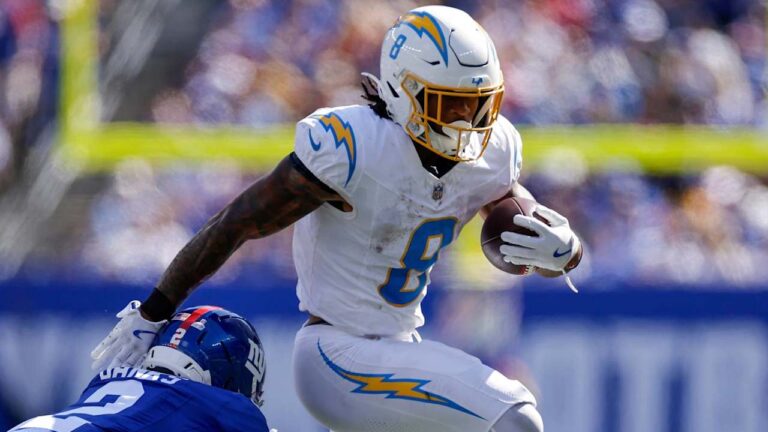
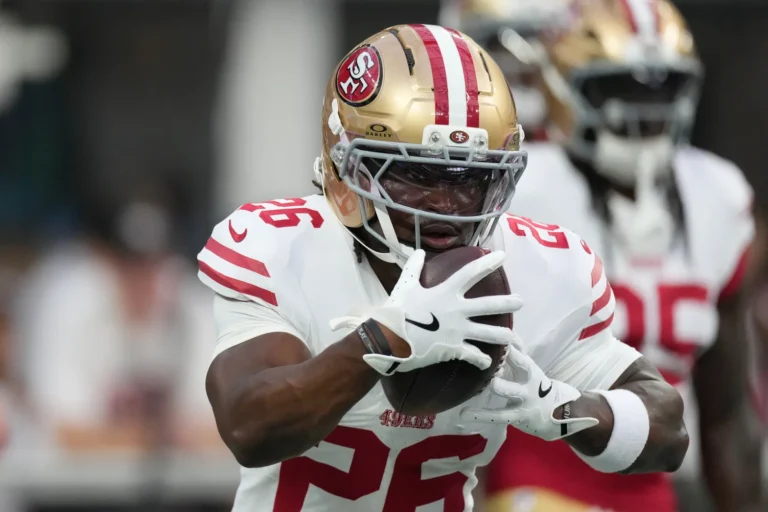
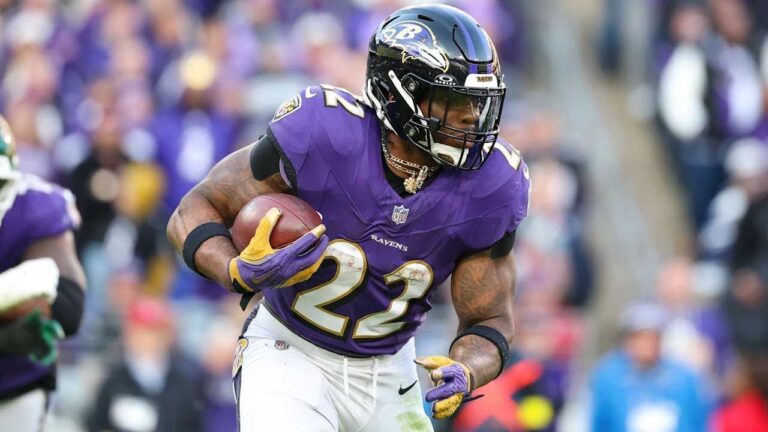
- Running Back: Running back value in dynasty is something that’s been grossly overcorrected. We’ve been fortunate lately where we haven’t had a bevy of season-ending injuries at the position. History shows us that this isn’t a trend that’s likely to last. The second a guy flashes, or a depth chart opens up, the market prices him at his absolute ceiling. Exploit that value surge. Elite talents like Bijan Robinson and Jahmyr Gibbs are incredible, but the cost to acquire them is astronomical, and their shelf life is terrifyingly short compared to elite options at other positions. You can sell a top-5 dynasty running back, tier down to a cheaper, unsexy volume-hog who just falls forward for 15 touches a game, and bank a premium 2027 1st on top. You lock in your weekly floor and let someone else hold the bag when that elite back inevitably misses three games with a high ankle sprain, or worse.
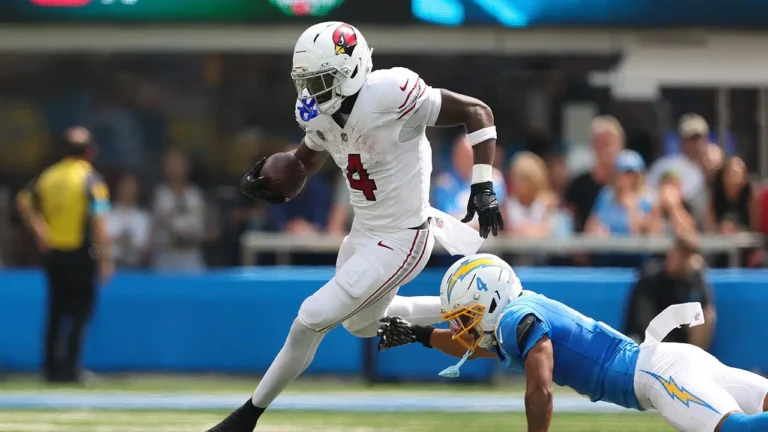
- Wide Receiver: The talent pool is absurdly deep, and elite production is spread across a massive chunk of the league. Because the NFL keeps pumping out pro-ready receivers, the production gap between a top-12 receiver and a top-24 option is often less than a couple of targets per game. When one of your receivers hits peak consensus valuation, that’s your window to move. Pivot to a high-volume receiver holding a 25% target share, pocket the extra starter or premium draft capital, and watch your starting lineup scoring stay virtually identical.
- Superflex QB: This is high-risk territory. In Superflex formats, quarterback depth isn’t just nice to have—it’s survival. Tiering off a locked-in top-3 Superflex QB is almost always a disaster unless your team is undergoing a full structural teardown. Generally speaking, replacing that weekly floor and ceiling on the open market costs an arm and a leg, and you rarely get full value back in trade packages once rival managers realize you’re desperate for a starter. Hold your blue-chip QBs hostage unless the offer completely breaks the trade calculator.
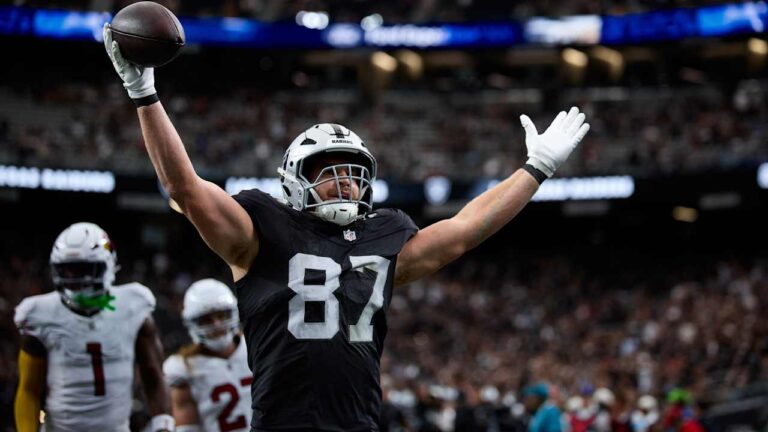
- Tight End Premium (TEP): Massive tight end premium scoring completely changes how you calculate replacement value. Mid-tier tight ends who command steady 18% target shares can suddenly produce like high-end WR2s. This makes it significantly easier to tier down off a top-3 elite tight end. You can cash out on the brand-name prestige, pick up a solid TE2 who gets steady red-zone work, and demand a heavy liquid asset on top without taking a hit to your flex spot. An example from this offseason was cashing out Trey McBride for Colston Loveland and a 2027 first-round pick.
Buy the Production Flatline in a Tier Down
The biggest secret in fantasy football is simple: market value moves exponentially, but actual fantasy production moves linearly.
Dynasty managers routinely fall in love with overall ranks and shiny young assets. They will gladly strip their entire draft future just to claim they own the overall WR1. But if you actually look at the data, the gap between elite market value and actual on-field output is microscopic.
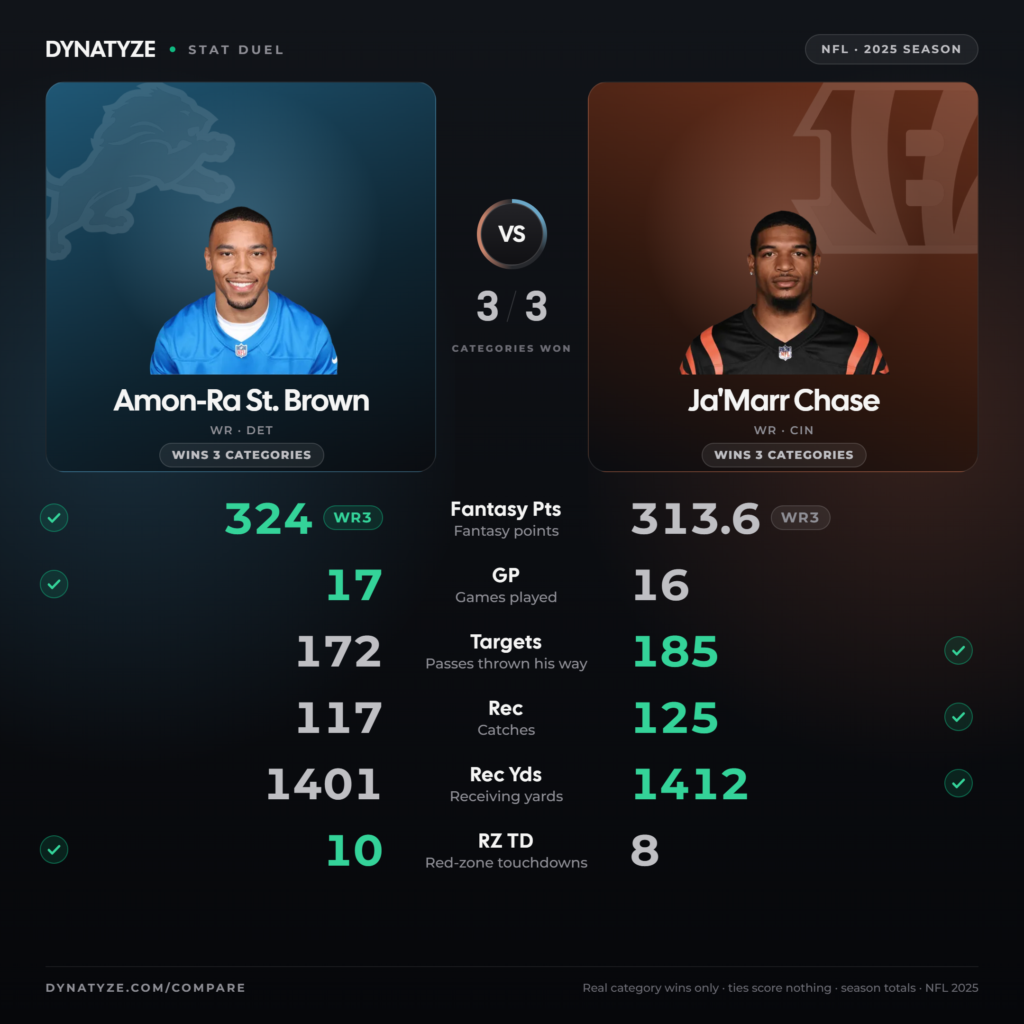
Look at historical points per game data. In any given season, the difference between the WR5 overall and the WR10 overall is often less than one full point per week. Yet the trade market treats those two players like they belong on different planets.
- The WR5 market cost: Typically three first-round picks or equivalent elite capital.
- The WR10 market cost: Usually one first-round pick plus a solid, productive prospect.
Why the Market Overpays for Name Brands: Dynasty managers love total points and shiny consensus rankings, but they rarely look at weekly variance. The market treats a top-5 asset like guaranteed money, yet weekly scoring outputs prove that high-volume, high-end WR2s regularly match or beat that output in any given week. An example from last year would be what George Pickens was able to do in a pass-happy Dallas offensive environment.
You can also exploit September redraft noise to execute this move. As the season gets closer, managers convince themselves every team on their roster is a contender. Use that enthusiasm to your advantage. Look at redraft ADP and weekly projections to find unsexy veterans producing identical target volumes. You make the proactive swap, absorb that minor one-point hit to your weekly ceiling, and insulate your roster with liquid, appreciating assets.
Nailing the “Plus” in a Tier Down Trade for Dynasty Fantasy Football
Executing a successful tier down requires demanding liquid assets. This is where most trades fall apart.
When you execute a tier down, you’re giving up the best player in the deal. The player coming back gets you close to replacing the production, but the “plus” asset represents your entire profit. If that extra piece isn’t rock solid, you just lost the trade.
Stop letting your league mates dump fragile, volatile trash onto your roster to balance out trades. This typically happens when one or both of the trade partners start living by the calculator of their choice.
Why Committee RBs and Older WR3s Ruin Trades: Bad trade partners love balancing deals with name-brand junk. They offer you a 28-year-old committee back or an older WR3 who had one flukey, fantasy-friendly season—looking at you, 2024 Jauan Jennings.
Those aren’t real assets. They’re roster cloggers. They carry zero long-term liquidity, have capped weekly ceilings, and force you into terrible Sunday morning start-sit decisions. Worse, they take up valuable bench spots that should be reserved for high-upside developmental prospects. If the “plus” piece in a deal can’t be easily flipped to a third manager for a 1st or 2nd-round pick, it shouldn’t be in the trade.
Your “plus” must be liquid currency. It needs to hold its value, appreciate over time, and be easy to flip in a secondary trade down the road.
- Future 1st-Round Rookie Picks: The absolute gold standard. Draft picks don’t tear their ACLs in May. They don’t get benched for missing block assignments. They don’t lose snaps to a training camp surprise. Picks do nothing but appreciate in value as draft season approaches. Remember when no one wanted 2026 picks, but then all of a sudden rookie hype spiked their value again? It happens regardless of class strength.
- High-Capital 2nd-Year Assets: If you can’t secure a 1st-round pick, pivot to young tight ends or wide receivers with high draft capital who have already established an insulated baseline as rookies. An example would be bookmarking a rookie like Kenyon Sadiq, who’s projected to struggle to replicate a Loveland, Warren, or Fannin-type rookie year.
The Age Apex Exploit: Jumping Off the Elevator
Tiering down isn’t just about isolating points per game. It’s about managing your roster’s depreciation curve. You have to get off the elevator before the cable snaps.
Dynasty managers are notoriously awful at predicting the age cliff. They hold onto aging superstars because of what they did two years ago, completely ignoring the underlying advanced efficiency metrics that signal a collapse. If a veteran’s yards per route run (YPRR) and first downs per route run start dipping, but his market value is still propped up by his name brand, that’s your cue to consider looking for an exit. You want to execute your tier down while the player’s market value still reflects their peak production, not their current trajectory.
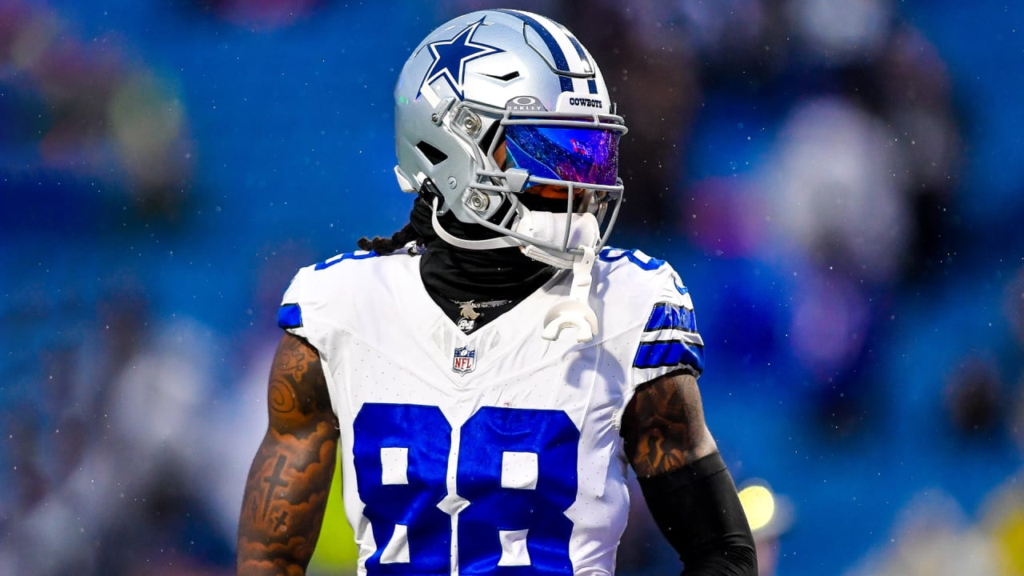
Package that aging superstar right before they hit 28, like CeeDee Lamb, who’s 27 this year. Tier down to a 23-year-old receiver who just flashed elite target-per-route-run metrics in his rookie year, like an Emeka Egbuka type, and demand a future pick on top. You might lose a point or two in your weekly lineup today, but you completely insulate your roster against a catastrophic loss of value tomorrow.
Timing the Market: The Dynasty Calendar
A tier down is only effective if you execute it when the market is actually buying. You can’t just throw a trade offer out in mid-June and expect a haul. You have to time the dynasty calendar.
The absolute best time to tier down for future draft capital is right in the middle of the NFL season, specifically weeks 6 through 10. Contending teams get desperate. Injuries start piling up, bye weeks destroy starting lineups, and managers convince themselves they are one elite piece away from a championship. That is when you strike. You sell them the expensive, name-brand starter to plug their lineup hole, and you extract their future 1st-round picks when they are severely undervaluing them.
Conversely, do not try to tier down for draft picks in April. Rookie fever takes over the market, and draft picks are priced at an absolute premium. If you try to tier down right before a rookie draft, you’ll end up paying a tax to acquire that “plus” asset instead of getting it for free.
Hold the Leverage in a Tier Down or Walk Away
When you hold the healthy blue-chip asset, you own all the leverage in negotiations. You dictate the terms.
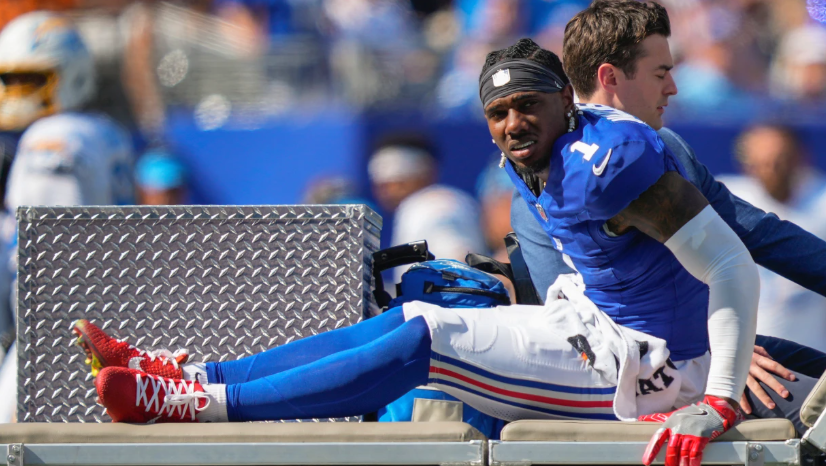
If the other manager refuses to offer liquid, premium currency as the plus, do not force the deal just to make a trade happen. Walk away. Keeping the superstar on your roster is infinitely better than taking back a bad deal just to get a trade done. This is particularly important if your blue-chip asset is hurt. An example of this is Malik Nabers last year, where people were selling him for pennies on the dollar to keep their playoff hopes alive.
The Power of the Silence Strategy: When a rival manager rejects your tier-down anchor or tries to squeeze you for cheap secondary pieces, stop rapid-firing counteroffers. Silence is your best leverage tool in dynasty negotiations. Let the trade offer sit. As Sunday approaches or the trade deadline looms, the anxiety shifts entirely to the manager trying to buy your elite asset. More often than not, they’ll come back to the table on your terms once they realize you aren’t desperate to make a deal. Just don’t be the league jackass and start ripping off insults because you don’t like the offers being sent to you. Be professional, in this way you won’t lose a future trade partner.
When you master the tier down, you stop overpaying for prestige ranks. Trade for your specific league format, exploit the production flatline, demand bulletproof liquid assets in return, and let the rest of your league overpay for overall consensus rankings. This is why you need to organize your value by tiers, not just rankings.
Negotiating the Tier Down: Anchor Offers and Counter Tactics
You know the math, you know the calendar, and you know the target. Now you have to actually execute the trade without looking desperate.
The biggest mistake managers make in a tier down is sending the exact, perfectly balanced calculator trade as their opening offer. If you do that, the other manager is going to counter by asking for a another pick back, or they’ll try to swap out the 1st-round pick you want for a couple of 2nds. Now you’re negotiating backward from where you wanted to finish at.
Always start with an anchor offer. If you want a high-volume WR2 and a future 1st for your aging, elite superstar, your opening offer needs to ask for the WR2, the 1st, and a developmental piece or another future pick. Make them talk you down to the deal you actually wanted in the first place.
When they inevitably counter by removing the extra piece, you accept it and look like the reasonable trade partner who was willing to compromise. In reality, you just successfully cashed out your superstar for the exact package you modeled out before you ever opened the chat. Bottom line: never start with your best offer. Aim for something reasonably close.
Managing the Backlash: Roster Construction Post-Trade
A successful tier down often means you are trading away one player and taking two or three pieces back. That creates an immediate math problem on your roster: you have to drop players to make the trade fit.
Do not execute a 3-for-1 tier down if it means you have to cut high-upside rookies or valuable handcuffs from your bench. The entire point of a tier down is to accumulate appreciating assets. If your “plus” pieces force you to dump a guy who could see a massive workload in the event of an injury, you are bleeding value.
Before you hit accept on a tier down, identify the bottom of your roster. Consolidate your trash. If you know you need two open bench spots to make the tier down work, package three of your roster cloggers and trade them to a rebuilding team for a single future 3rd-round pick. Clear the deck, open the bench space, and then execute your massive tier down. Roster liquidity is just as important as the players you are acquiring.
Taxi Squad Stashing and Roster Mechanics: Don’t forget your taxi squad settings when absorbing extra pieces. If your tier-down package includes a high-capital rookie or a developmental tight end, move them straight to your taxi squad before roster cuts hit. That frees up standard bench slots for active Sunday depth without forcing you to cut veteran handcuffs. Managing the fringe of your roster with taxi squad flexibility is how you retain every ounce of equity you just extracted in the trade.
Want more data-driven dynasty strategy and content? Follow me on X @dynastydwarf for daily dynasty content that’s more than just another player vibes take that’s clogging your timeline!