The 2026 Fantasy Football Week 2 Trade Value Chart is built from The Wolf’s Rest of Season 2026 Fantasy Football Rankings, which finished 2nd out of 172 experts in FantasyPros’ Multi-Year Draft Accuracy rankings from 2022 to 2024. These values are tailored to a 12-team, full-PPR, 1QB league and factor in positional scarcity and real-world trade dynamics. That means quarterbacks typically carry less trade value than they would in Superflex formats, while elite running backs and wide receivers remain premium assets.
Whether you’re trying to buy low, sell high, or pull off a league-winning blockbuster, this Fantasy Football Week 1 Trade Value Chart is designed to help you make smarter deals. We’ll update player values every week based on rest-of-season outlooks, highlight the biggest risers and fallers, break down key trade targets, and share trade strategy tips to help you stay ahead of your league mates. Use the position-specific charts below to find fair trade offers and gain an edge throughout the 2026 fantasy football season.
FANTASY FOOTBALL WEEK 2 TRADE VALUE CHART: TIGHT ENDS
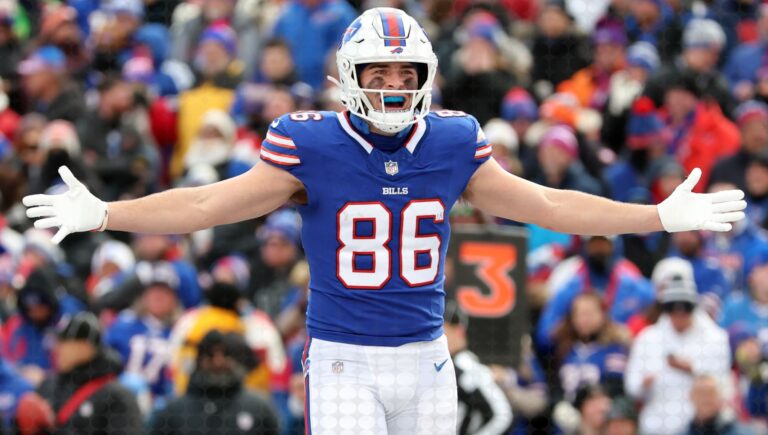
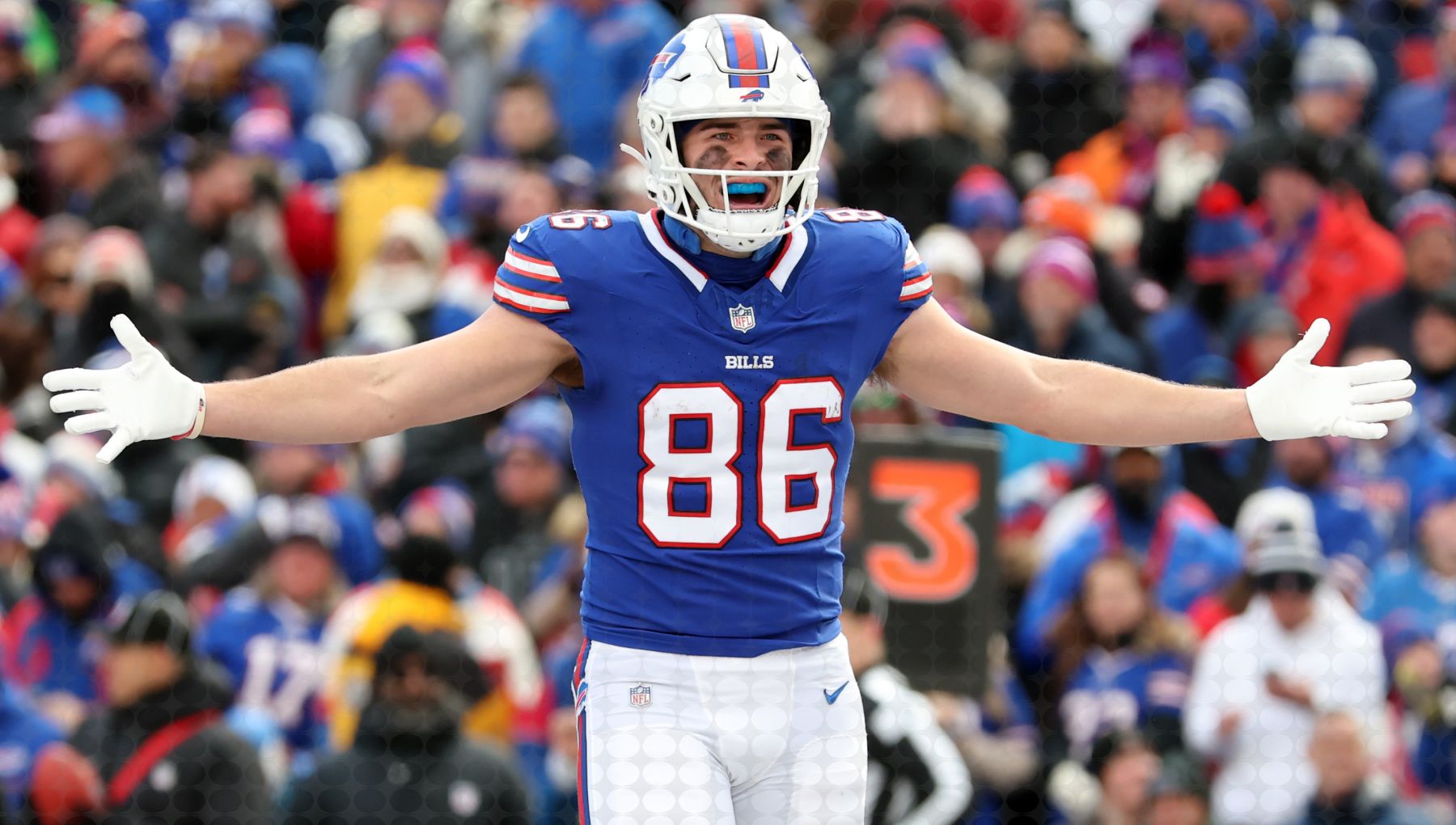
Tight End Riser – Dalton Kincaid (at HOU, 5 catches on 6 targets for 130 yards)
Against a stout Texans defense, Dalton Kincaid made big gains and returned himself squarely to the fantasy relevance discussion. It’s been an underwhelming career arc so far for a player who was drafted by the Bills in the first round of the 2023 NFL Draft. Is this a Week 1 blip? Time will tell, but it’s good to see him get fantasy production that he only exceeded once all of last year.
Tight End Faller – Kyle Pitts (at PIT, 0 catches on 1 target)
Even with Cooper Rush and his back spasms behind center against the Steelers, there was hope coming into the season that Kevin Stefanski‘s past success with tight ends on teams he’s coached could unlock another level of Pitts’ production. Week 1 was always set up to be an offensive disaster for the Falcons, but to see him fail to be utilized as even a safety valve for Cooper Rush puts the concern for Atlanta’s dreary QB situation’s ability to feed its receivers even more to the forefront.
Other Tight Ends Of Interest – Colston Loveland (at CAR, 0 catches on 2 targets)
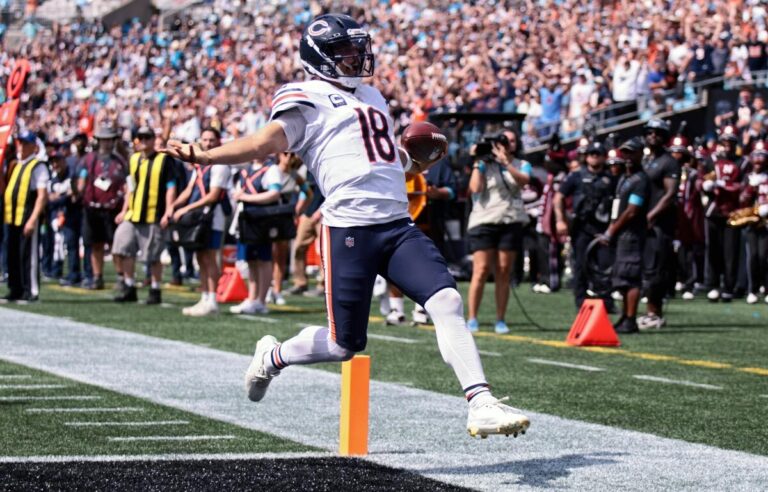
Bears versus Panthers had some ingredients of a blowout, but 59-37 exceeded even those lofty expectations. 59 points for the Bears, but unfortunately, Colston Loveland didn’t get to join in the fun. Is this a sign that his fantasy production could falter this year because he won’t need to be relied upon as a top target?
If we’re going to do that, we’ll have to reshuffle the entire Chicago receiving core, since Rome Odunze and Luther Burden combined failed to catch as many passes as Kalif Raymond, whose 8 catches on 9 targets for 84 yards comfortably led the room. No, I think we can chalk this one up as an outlier. I hope we can, anyway.
Fantasy Football Trade Strategy Tips
Trade for Team Needs, Not Just the Best Value
In general, trade offers that clearly benefit both teams’ overall value, not just your own, will make a trade partner more cooperative. However, being mindful of depth concerns with all teams involved in a trade will only increase the chance of that cooperation. Be mindful not just of weak positional depth, but also of surplus positional depth across your league’s rosters. You might have a shortlist of players you’d love to be able to trade for, but if what you have to offer isn’t what your trade partner needs, your offers will likely fall on deaf ears. Say you’re weak at RB and have a surplus at WR. Teams that are strong at RB but weak at WR are naturally more eager to haggle.
Why Trade Calculators Aren’t the Final Word
Charts and calculators are a reference that can help find ideal trades, but they’re not gospel, and trying to make your potential trade partner think otherwise could shut the door on negotiations real quick. Even if your charts/calculators show the trade offer to be in your league mate’s favor, they probably have tools and references of their own, and the next time “But the trade calculator says” changes someone’s mind may be the first time.
How to Avoid Low-Ball Trade Offers
Speaking of bad faith, a trade offer that is too clearly in your favor puts you in danger of potential trade partners shutting you out not just for that particular trade negotiation, but any future ones as well. It’s a great feeling to get those kinds of lopsided trade deals, but the ones so bad they only go through 1 percent of the time likely aren’t worth hitting the send button in the first place. At their core, fantasy players aren’t complete masochists; they just want to have fun with it, and somebody sending them insulting offers isn’t fun.
FANTASY FOOTBALL WEEK 2 TRADE VALUE CHART: TIGHT ENDS
| Rank | Player Name | Team | Value |
|---|---|---|---|
| 1 | Trey McBride | ARI | 1999 |
| 2 | Brock Bowers | LV | 1616 |
| 3 | Colston Loveland | CHI | 1103 |
| 4 | Tucker Kraft | GB | 934 |
| 5 | Dalton Kincaid | BUF | 903 |
| 6 | Tyler Warren | IND | 888 |
| 7 | Sam LaPorta | DET | 695 |
| 8 | Dallas Goedert | PHI | 686 |
| 9 | George Kittle | SF | 590 |
| 10 | Isaiah Likely | NYG | 581 |
| 11 | Juwan Johnson | NO | 455 |
| 12 | Kyle Pitts Sr. | ATL | 411 |
| 13 | Travis Kelce | KC | 270 |
| 14 | Harold Fannin Jr. | CLE | 266 |
| 15 | Pat Freiermuth | PIT | 243 |