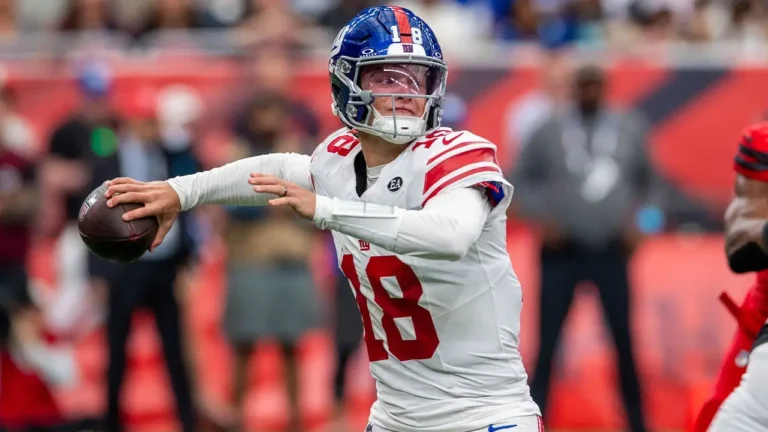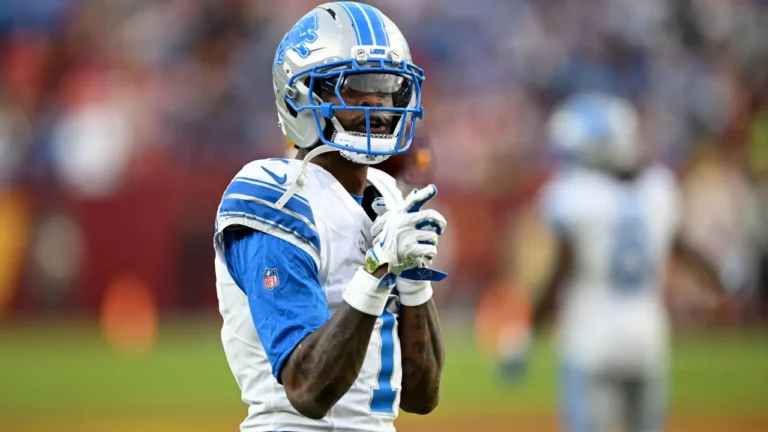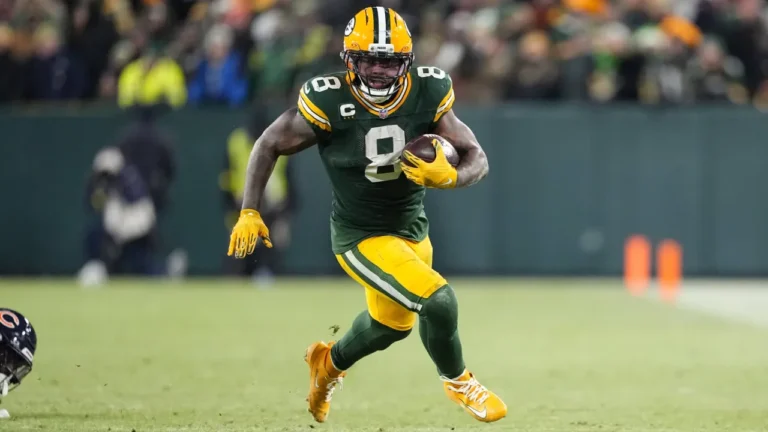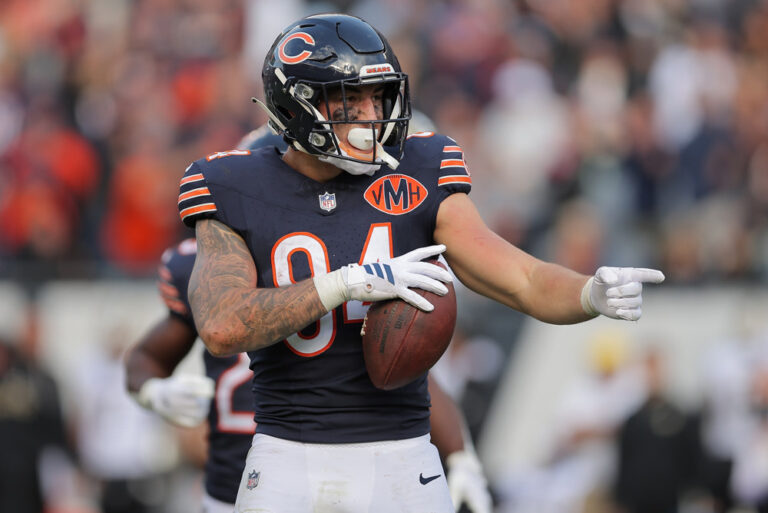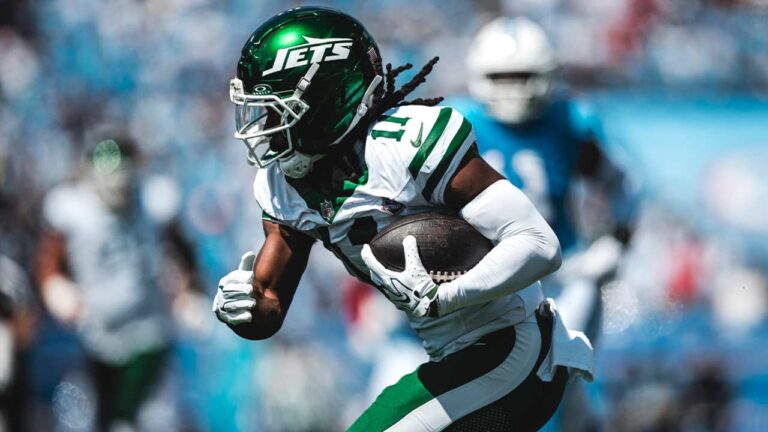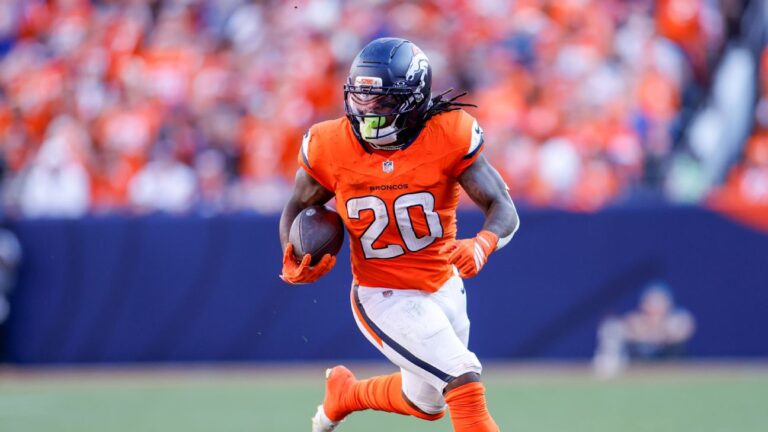
While Daily Fantasy Sports (DFS) has become a popular alternative to traditional sports betting, especially in states where regulations restrict the latter, prediction markets are becoming an increasingly popular rival in the NFL sphere.
These platforms are regulated by the Commodity Futures Trading Commission (CFTC), meaning that they also do not fall under traditional gambling laws. But while DFS players might be more inclined to stick to pitting rosters against other players in contests, there is an overlap between both areas which can serve to benefit fantasy sports enthusiasts.
How prediction markets work
All prediction markets function in the same way. Traders are presented with a binary question, along with a list of yes or no options, prices for each share, and a fixed resolution date.
Prices will range from $0.01 to $0.99, and will fluctuate depending on trading behavior and external outcomes, such as the results of NFL games. Because a successful contract will always pay out $1 per share, while unsuccessful outcomes pay nothing, the price also reflects the implied probability of an event happening.
For example, this Polymarket promo code page highlights the market covering who will become the 2027 NFL champion among its trending options, along with sign-up instructions and a breakdown of the bonus. San Francisco, the current favorite, has a ‘yes’ price of $0.16, meaning that their implied probability of lifting the Lombardi Trophy stands at 16%.
Because the price is constantly adjusting to trading behavior, the price represents a live valuation and current market faith. Although San Francisco’s ‘yes’ price stands at $0.16 currently, that could drop in the event of a losing streak, as traders sell shares because of confidence dropping in the team.
How prediction markets can benefit DFS players
The premise is clearly incredibly different from DFS, where players build lineups or engage in Pick ‘em contests. One deals with outcomes, the other looks at performance. But that doesn’t mean that there isn’t an overlap between the two, especially when it comes to NFL games.
Prediction markets not only look at long-term futures like the eventual Super Bowl winner but also deal with more granular markets, including player props. Traders can pick a line for a market like passing touchdowns or rushing yards and trade on specific games instead.
By examining markets such as Jahmyr Gibbs’ rushing yards against the Miami Dolphins or New England Patriots, DFS players can see how confident traders generally are in a 100+ yard game. That, in turn, might influence decisions in matchups or Pick ‘em contests.
Additionally, players can use those same markets and view price changes over time to potentially locate mispriced assets. If the share price for an undervalued DFS player is rising ahead of a game against an opponent, it could be worth researching to see whether they could be worth considering for a lineup. In turn, that can flag potential differentials that other players might typically ignore.