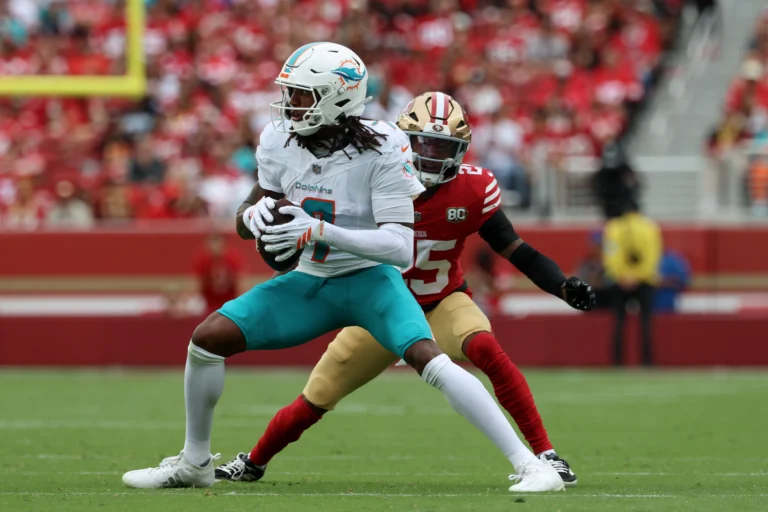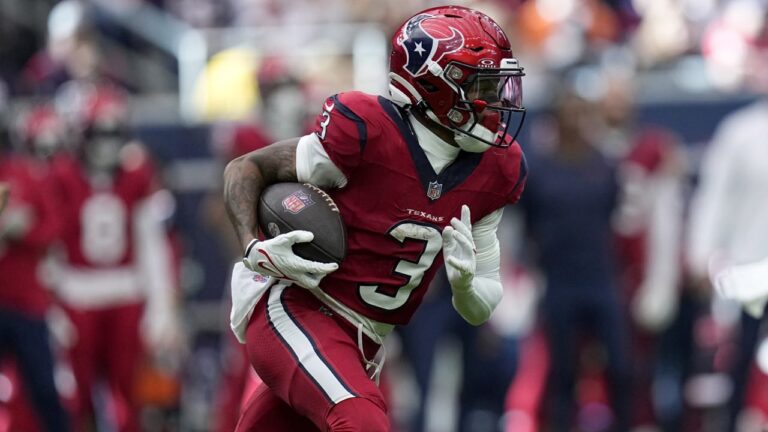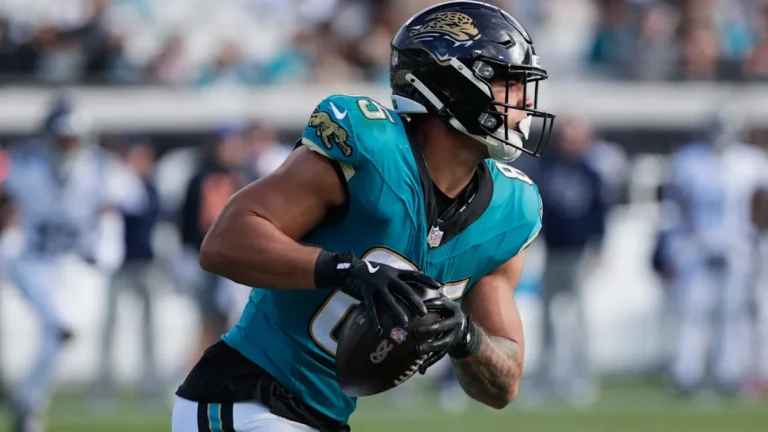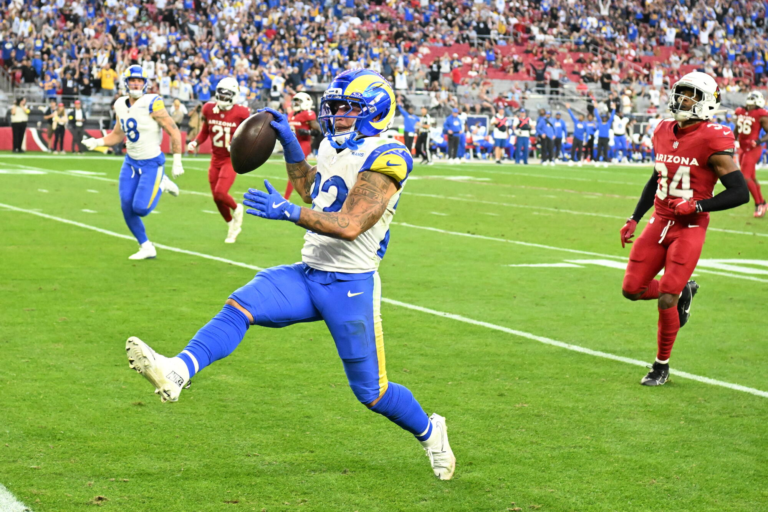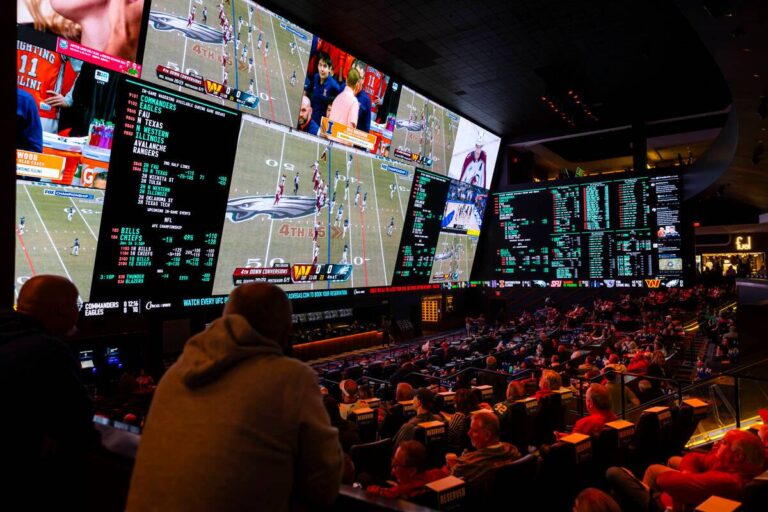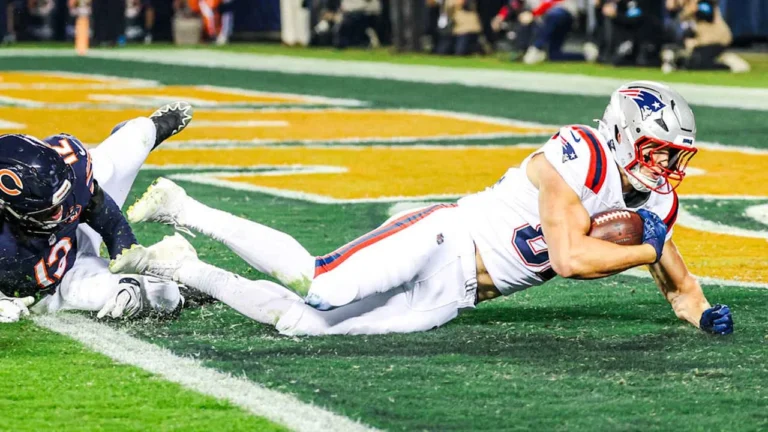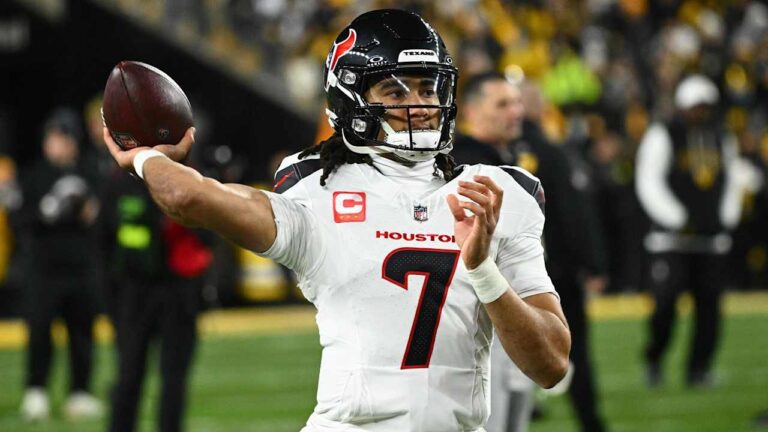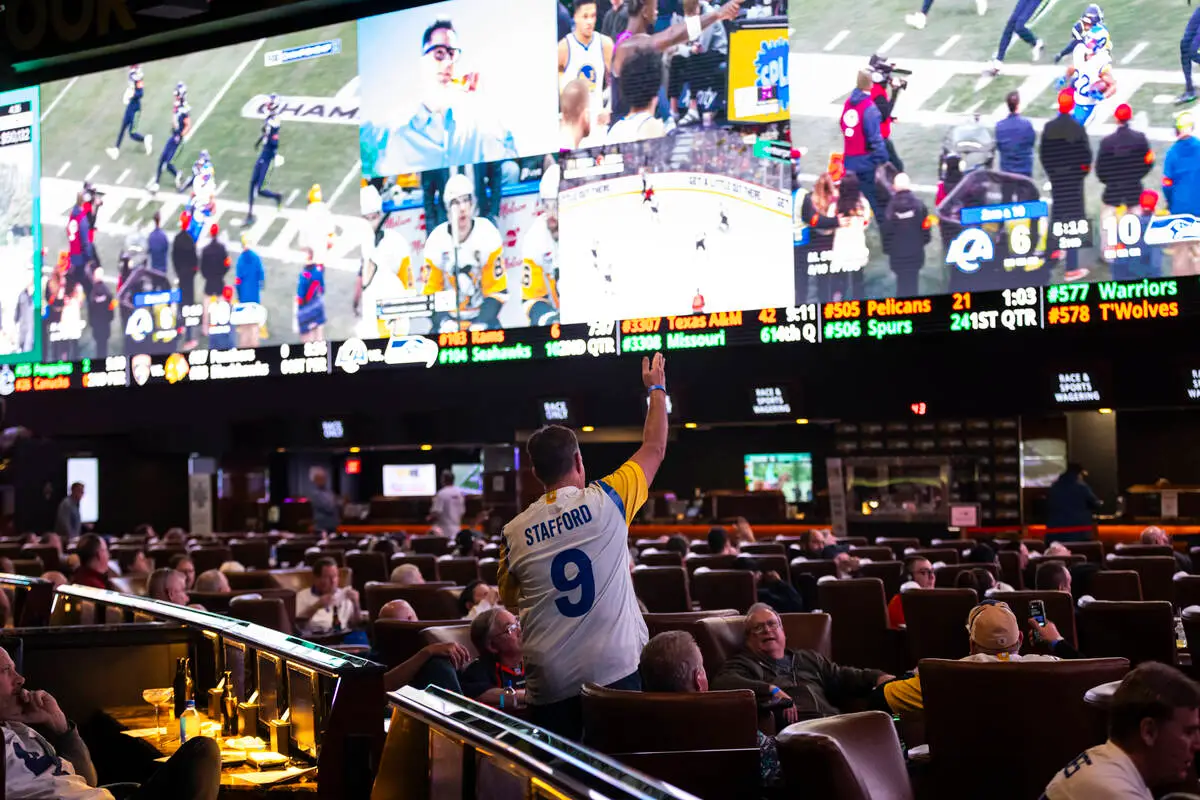
Two receivers sit beside each other in your weekly rankings. One earns his points through short catches; the other gets fewer chances farther downfield. Their projections look similar, but choosing your flex means working through how each might reach that number.
There is a useful mathematical connection to blackjack. A player weighs the cards in hand against the dealer’s visible card, under the table’s rules. Both decisions become clearer when you consider the possible results and their likelihood.
Check the Scoring Before Comparing Players
Six catches for 60 receiving yards earn nine points in half-PPR scoring, before touchdowns or other events. Give each reception a full point, with the same yardage scoring, and that line earns 12.
The difference comes entirely from the scoring system. Before digging into matchups, a fantasy manager needs to know how the league values each part of a player’s production.
Table rules deserve the same attention when considering live blackjack ontario. Strategy changes according to whether the dealer hits or stands on soft 17, a hand with an ace counted as 11.
Ontario’s eligibility requirements also apply. The official provincial directory states that players must be of legal gambling age and physically located in Ontario to play on its listed sites. Among those listed operators is ToonieBet, launched in 2024 under Canadix Limited, registered with the AGCO and holding iGaming Ontario operating agreement OPIG1280338.
What Goes Into an Expected Score?
After scoring comes probability. Expected value is the average obtained by multiplying each possible result by its likelihood, then adding those figures.
A fantasy projection built this way combines expected catches, yards and touchdowns with the points awarded for each. A fractional touchdown in a projection expresses its contribution across possible performances.
Opportunity helps inform those estimates. Targets and carries give a manager something concrete to assess when comparing players, while the league’s scoring turns their anticipated production into points.
Blackjack calculations use financial returns. Basic strategy compares the expected returns of available actions for particular cards and rules. The common ground is the method: assign probabilities and values to possible outcomes, then compare the choices.
Why the Surrounding Details Matter
Hard 12 makes a useful example. This is a blackjack total with no ace counted as 11.
A basic-strategy chart from Ontario’s gambling education program, for four or eight decks with the dealer standing on soft 17, shows three different situations. Against a dealer’s 2, it recommends hitting. Against a 4, it recommends standing. Against a 10, it recommends hitting.
The dealer’s visible card changes the decision while the player’s total stays at 12.
Fantasy managers make their own contextual assessments. A receiver’s scoring average sits alongside his routes, targets and matchup. For a running back, carries, receptions and goal-line opportunities help explain the work behind the points. Roto Street Journal’s focus on talent, usage, offensive surroundings and upside brings those considerations into the weekly comparison.
A Projection Leaves Room for Different Results
An average can describe a wide range of outcomes. Variance measures how spread out those results are, an idea familiar to fantasy managers through floor and ceiling.
Two players with similar expected scores can have different chances of delivering a modest return or a big week. In head-to-head fantasy, that matters because winning depends on finishing above your opponent’s total.
The highest expected score and the best probability of winning are separate mathematical objectives. A manager facing a substantial deficit may give more weight to a player’s chance of an unusually high score. Protecting a lead can make a low outcome more costly.
The rest of the matchup belongs in that assessment: points already scored, players still to play and the range of results those remaining players might produce.
Give Yourself a Decision You Can Review
Return to the receivers beside each other in the rankings. Start with their value under your scoring rules. Review their opportunities, then consider how their possible scores fit the matchup.
Writing down the deciding factor, whether target volume, scoring settings or the need for upside, gives you a clear reference when reviewing the choice after the games.
That gives you specific assumptions to revisit afterward. Did the anticipated workload arrive? Did an injury change the role? Those questions help improve the next projection, even when a touchdown or dropped pass swings the final score.
Blackjack adds direct financial risk to the comparison. It carries a long-run house advantage. Responsible play means setting time and spending limits, avoiding loss-chasing and taking breaks. Ontario residents seeking gambling support can contact ConnexOntario at 1-866-531-2600.
For your fantasy lineup, the useful question is which available player gives you the strongest chance of getting the result you need this week.