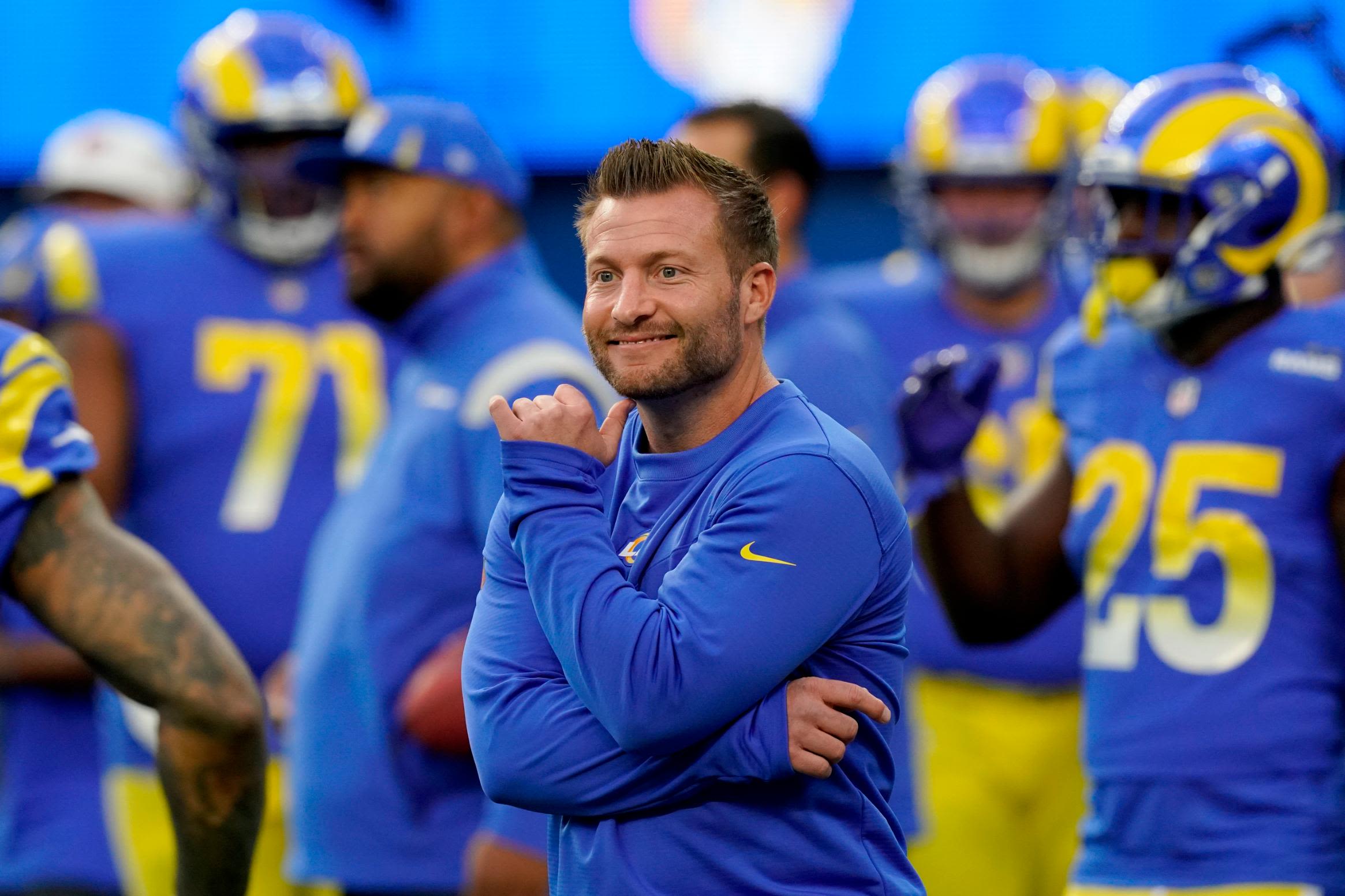
Fans often credit star players for victories, yet strong leadership remains the real foundation of success. When we look at what makes a great football coach, we discover qualities built through patience, vision, and daily effort. Great coaches do far more than design plays. They guide people, shape culture, and build trust. Their role blends strategy with empathy, and structure with creativity. Because of this balance, the qualities of a great football coach extend far beyond wins and losses.
A coach sets the tone for the entire team. They influence communication, motivation, discipline, and long-term growth. Many players only unlock their full potential when guided by someone who knows how to teach. Understanding the characteristics of a successful football coach helps explain why some teams rise while others stall. Coaching shapes performance far more than many fans realize.
Clear Philosophy and Purpose
Every successful coach begins with a strong football coaching philosophy. This philosophy works as a compass. It guides decisions, shapes training sessions, and helps players understand expectations. Without a clear approach, even talented teams fall apart.
Great coaches keep their philosophy simple and memorable. They teach values that players can apply under pressure. Their approach blends structure with flexibility, allowing the team to adjust when games shift direction. When players understand the mindset behind decisions, they play with confidence.
A coach’s philosophy often becomes the foundation of long-term success. It helps players feel grounded, even during stressful moments. Strong purpose makes effective football coaching feel steady and reliable.
Why People Seek Simple Rewards and Clear Systems
Great coaches often notice how players respond to structure and predictable rewards. Humans feel more confident when they understand how a system works and what outcome their effort brings. This pattern appears everywhere, even in online behavior, where someone may choose a Stay Casino no deposit bonus codes because the rules feel straightforward. The same instinct helps athletes trust their training program, since each drill offers a clear purpose and expected result. Coaches who recognize this need for structure can motivate players more effectively and build stronger routines.
Communication Skills That Bring a Team Together
Communication skills in football coaching separate average leaders from great ones. Players need clear instructions, honest feedback, and steady direction. Coaches who communicate well remove confusion, which helps players react faster on the field.
Great communicators know when to speak and when to listen. They respect players’ viewpoints and stay calm under pressure. This creates a sense of safety, which improves trust and teamwork. Players will push harder when they feel heard.
Communication also includes non-verbal cues. Body language, tone, and timing all matter. Coaches who master these skills build teams that stay organized even during chaotic moments.
Leadership That Players Respect
Football coach leadership has very little to do with shouting or authority. True leadership comes from consistency. A coach earns respect by acting with fairness, setting standards, and modeling discipline. Players watch how coaches behave. They mirror the attitude they see.
Great leaders build strong team culture by rewarding effort, not just talent. They show players how to work through challenges instead of avoiding them. This attitude inspires players to give more than they think they can.
Leadership also involves humility. Coaches who admit mistakes teach players that growth comes from honesty. This builds a healthy team environment where improvement feels normal.
Mastery of Football Strategy and Tactics
Skillful coaches understand the technical side of the game. Football strategy and tactics help teams outsmart opponents. Coaches study formations, patterns, and situational play. They recognize when to take risks and when to stay patient.
Strong tactical thinking doesn’t mean complex playbooks. Often, simple strategies work best. What matters is knowing how to adapt. Game plans shift quickly. Coaches must read momentum and adjust before opponents notice.
A great coach blends preparation with intuition. They rely on film study, past experience, and their sense of the game. This balance shapes the traits of a good football coach and strengthens team performance.
Focus on Player Development
Player development in football is often the biggest factor in long-term success. Great coaches help players grow step by step. They improve weaknesses, sharpen strengths, and teach new skills.
Strong development includes:
- teaching technique
- improving positioning
- building confidence
- strengthening decision-making
- guiding players through pressure
Coaches who care about development often turn unknown athletes into dependable starters. Their patience helps shape consistent improvement. Successful player growth creates team depth and resilience.
Ability to Motivate Players
Motivation plays a huge role in sports. Motivating football players takes skill because every athlete responds differently. Some players need calm encouragement. Others respond to challenges. A great coach understands each personality.
Motivation is not about dramatic speeches. It is about daily habits. Coaches motivate by showing belief in their players. Confidence spreads quickly when leaders express trust.
Small actions matter. A short compliment, a thoughtful correction, or a well-timed reminder can spark major change. The best coaches use motivation as a steady tool rather than a dramatic moment.
Strong Football Team Management
Football team management holds everything together. Coaches handle schedules, roles, discipline, staff coordination, and game planning. These tasks require patience and attention to detail.
Management includes:
- assigning clear roles
- creating balanced training sessions
- maintaining structure
- tracking performance metrics
- handling disputes fairly
Great coaches manage teams like skilled organizers. They keep things simple but consistent. When players know what to expect each day, they stay focused and committed.
Team management becomes even more important during long seasons. Injuries, fatigue, and pressure can disrupt performance. A well-managed team stays steady despite these challenges.
Emotional Intelligence and Player Relationships
Football demands physical strength, but coaching requires emotional strength as well. Coaches must understand how players feel. Emotional intelligence helps leaders handle stress, conflict, and personal struggles within the team.
Great coaches recognize when players feel overwhelmed or distracted. They offer support without judgment. These relationships build loyalty. Players fight harder for coaches who care about them.
Emotional awareness also reduces tension. It helps coaches solve problems before they grow. This creates a healthy environment where players enjoy coming to training.
Adaptability and Decision-Making Under Pressure
Games rarely follow the planned script. Injuries, weather, and momentum can change everything. This is why adaptability sits at the center of successful football coach qualities.
Adaptable coaches make decisions quickly. They stay calm while analyzing the situation. They know when to adjust formation, change tempo, or replace players.
Good decisions come from experience and preparation. Coaches who study patterns and past games react faster. Their confidence spreads to the team, helping everyone stay composed during stressful moments.
Teaching Discipline and Accountability
Discipline forms the backbone of strong football programs. Coaches teach discipline not through punishment, but through consistency. They show players how to prepare, train, rest, and focus.
Accountability also matters. Players must take responsibility for their actions. Coaches who promote accountability create teams that correct mistakes without fear.
Disciplined teams perform better under pressure. They avoid sloppy errors and stay organized. This structure reflects the qualities of a great football coach.
Balancing Toughness with Care
Coaching requires firmness, but also compassion. Great coaches know when to push and when to ease off. This balance helps players stay motivated without burning out.
Toughness builds resilience. Care builds trust. Combining both creates a culture where players grow without feeling overwhelmed.
This mix forms one of the most important characteristics of a successful football coach. It brings out the best in both the leader and the team.
How Coaches Build a Lasting Team Culture
Culture shapes effort, communication, and attitude. Coaches create culture through daily behavior. They reinforce values like respect, effort, and teamwork.
Strong culture reduces conflict. It keeps players focused even during difficult periods. Teams with healthy culture often perform better than expected because they support each other.
Culture lasts longer than any single season. It becomes the identity of the team. Great coaches use culture as a long-term tool.
Key Traits of a Great Football Coach
| Trait | Why It Matters | Impact on Team |
| Leadership | Sets direction | Builds trust |
| Communication | Clears confusion | Helps execution |
| Strategy skills | Improves tactics | Leads to smarter play |
| Motivation | Raises effort | Strengthens morale |
| Discipline | Creates structure | Reduces mistakes |
| Adaptability | Handles surprises | Keeps team steady |
| Emotional intelligence | Supports players | Builds loyalty |
Why Great Coaches Shape More Than Games
Great coaches influence lives, not only scoreboards. Players carry lessons from practice into school, work, and relationships. This influence explains why coaching remains such an important role.
A coach shapes confidence, discipline, and teamwork. They create an environment where growth feels natural. This impact lasts long after the last whistle.
Conclusion
Great football coaches create more than strategies. They create environments where players grow, learn, and trust each other. They blend leadership, communication, discipline, and emotional strength. They teach athletes how to compete and how to stay calm when pressure rises. The qualities of a great football coach reach far beyond the field. Their influence continues long after the game ends, shaping teams and individuals for years.
FAQs
What makes a great football coach?
A mix of leadership, communication, strategy, and steady discipline.
Why is communication so important for coaches?
Clear instructions and respectful dialogue help players perform with confidence.
How do coaches motivate players effectively?
They use encouragement, honest feedback, and consistent belief in their team.
Why is player development essential?
Growth improves skills, builds depth, and strengthens long-term success.
What qualities help coaches succeed during games?
Calm decision-making, adaptability, and strong teamwork management.