The NFL offseason and the closing stretch of the 2025 campaign have already reshaped player value discussions across the league. Coaching changes, late-season performances, and changing depth charts are forcing analysts to reassess long-held assumptions at every position. With fantasy managers and front offices alike reacting to new information, early 2026 projections are beginning to separate genuine risers from players trending the opposite direction.
As expectations around speed, efficiency, and immediate impact continue to influence evaluations, the league’s value cycle feels faster than ever, with coaching changes and midseason role shifts compressing evaluation windows. That demand for quick returns mirrors how fans consume information elsewhere, where immediacy has become the standard rather than the exception.
Soaring Breakouts
Several players have seen measurable value gains in early 2026 rankings due to expanded roles and late-season production that translated into sustained opportunity. This environment rewards players who capitalize quickly, a concept often discussed beyond football when efficiency and turnaround time matter—similar to how industry analysts frame performance benchmarks in New Game Network’s fast payout casino guide, where speed and reliability shape overall expectations without promotional framing.
New Playmakers
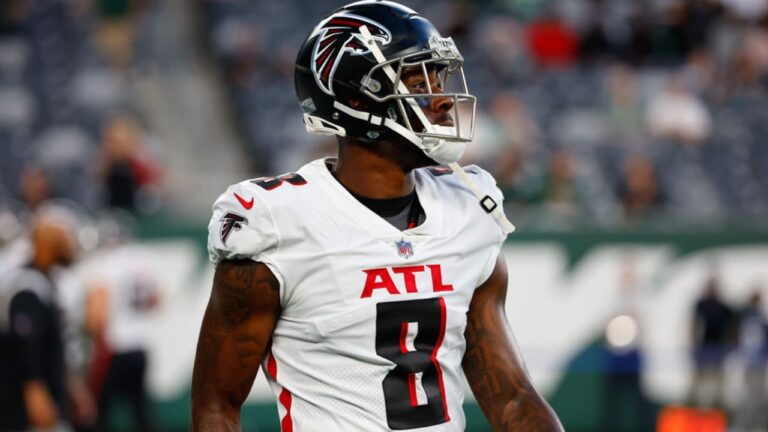
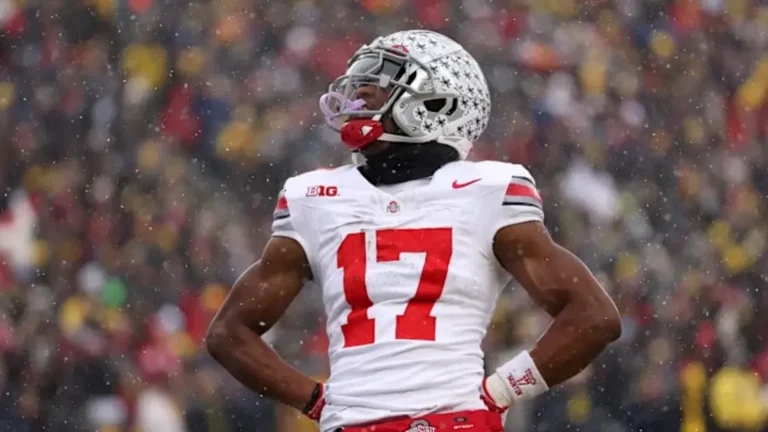
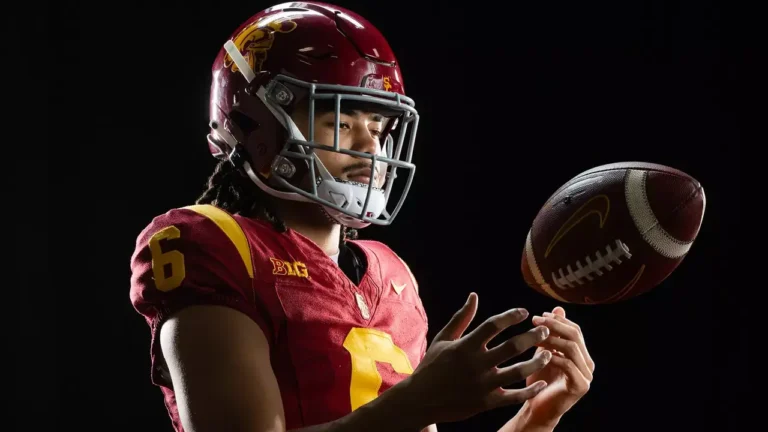
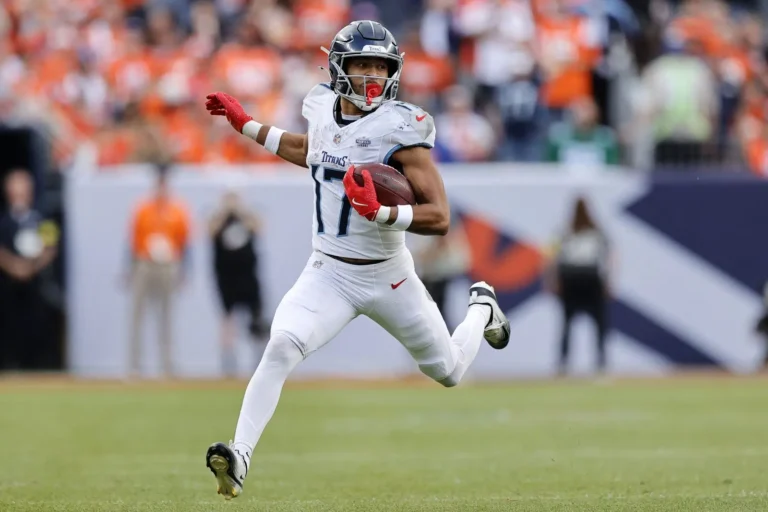
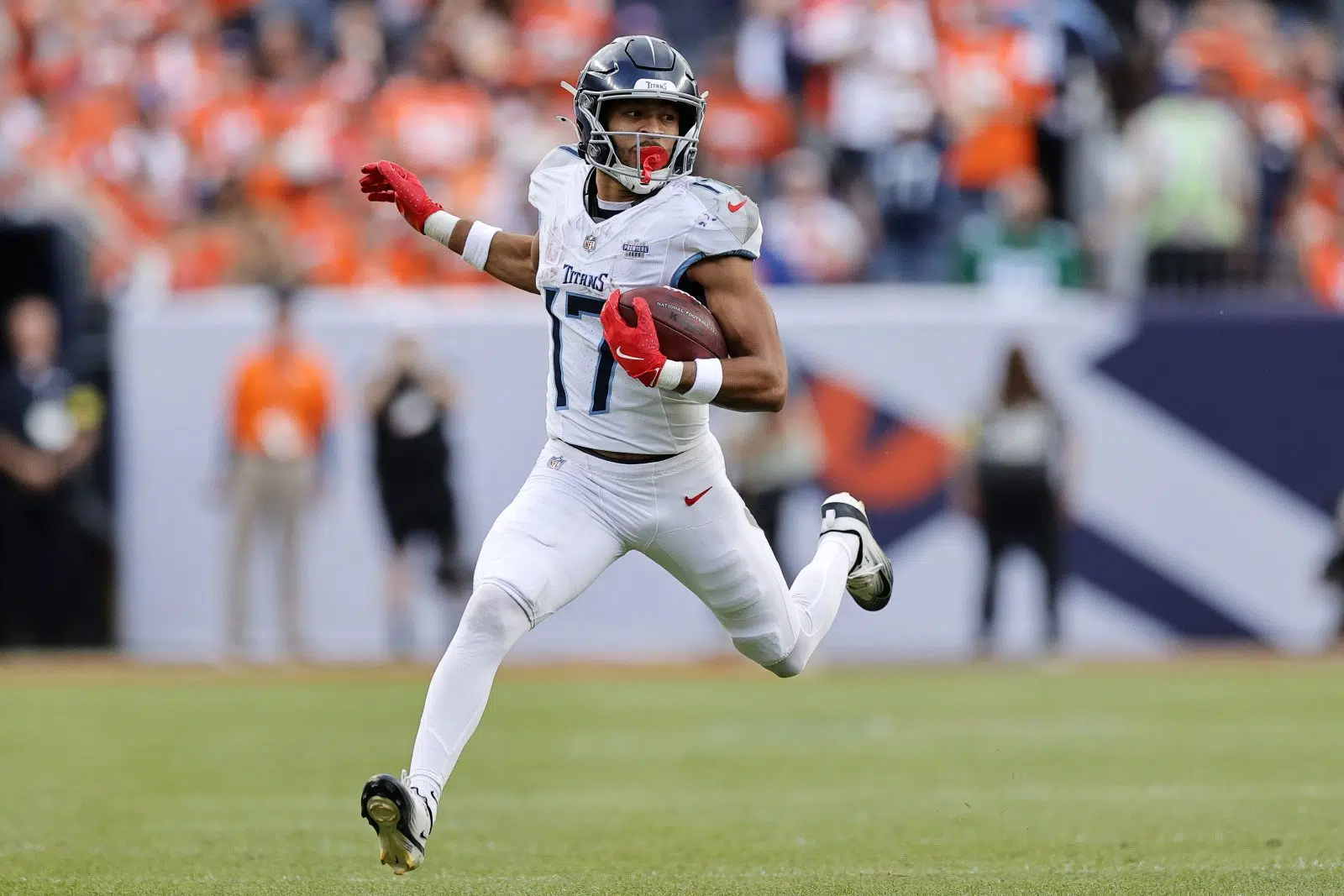
On the field, Titans rookie Chimere Dike emerged as one of the most versatile contributors of the 2025 season. His historic all-purpose yardage total placed him in rare company among rookie playmakers. Dike’s 2,371 all-purpose yards set a rookie record few can match, highlighting his ability to impact games as both a receiver and returner. That versatility has elevated his standing heading into 2026, particularly as teams increasingly value players who can fill multiple roles on game day.
In Pittsburgh, Calvin Austin III closed the year with an expanded snap share and increased target involvement. Changes around him on the depth chart opened a path for more consistent usage, and his late-season efficiency has made him one of the more closely monitored mid-tier receivers entering the offseason. Players in similar situations often see their value climb sharply once role clarity emerges.
Defensively, C.J. Gardner-Johnson provided another example of how opportunity can shift perception. Following a mid-career transition, his production stabilized in a new framework, reinforcing his adaptability and boosting confidence in his long-term value. Players who demonstrate flexibility across alignments tend to retain value even amid roster turnover.
Shifting Roles and Depth Chart Changes
While some players rise, others find themselves in less certain positions as teams retool. Jacksonville’s decision to extend Cole Van Lanen solidified the left tackle spot but created questions for depth players behind him. When teams commit financially to one option, it often compresses opportunity elsewhere, directly impacting how secondary contributors are valued.
Contracts And Injuries
Linebacker Jamien Sherwood represents another case where role security does not always equate to rising value. Despite a contract extension, coverage struggles during the 2025 season tempered broader enthusiasm in dynasty and real-life evaluations. His situation highlights how performance context matters just as much as playing time when projecting forward.
Injuries have also played a role in reshaping perceptions. Milton Williams’ return from injured reserve late in the year restored some confidence, but missed time inevitably affects how teams and analysts weigh durability against upside. Availability remains a quiet but decisive factor in long-term evaluations.
Veteran Values Under Pressure
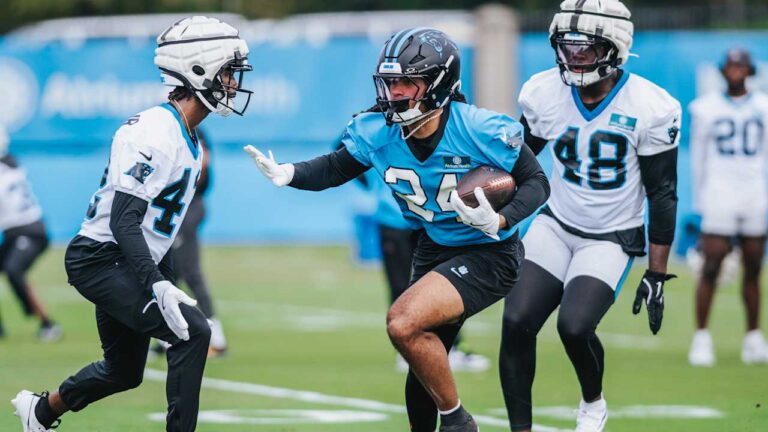
As the league continues to skew younger, veteran players face increasing scrutiny. Derrick Henry remains productive, but cumulative workload and age have become unavoidable parts of his valuation discussion. Even when output remains strong, long-term projections often favor younger backs with fewer miles.
In the secondary, Jalen Ramsey’s recent transitions have kept him relevant while also introducing uncertainty. Scheme fit, positional usage, and team direction all influence how established defenders are valued once they move beyond their early prime years. Performance remains important, but context has become equally decisive.
Across positions, veterans who once relied on volume are now competing with rotational approaches that limit snap counts. This structural change across the league has quietly reduced the ceiling for some long-standing workhorse running backs.
Tracking Value Shifts
In this environment, reference tools like the weekly trade chart provide critical context. By accounting for performance trends, injuries, and role changes, these resources help quantify value movement without overreacting to short-term noise.
Monitoring these shifts allows managers to identify sustainable breakouts while avoiding overvalued slot receivers whose roles are quietly shrinking. As offseason decisions unfold and training camps approach, player values will continue to adjust based on usage, health, and organizational commitment.
The early outlook for 2026 reinforces a familiar theme: opportunity and adaptability drive value. Players who respond to changing roles tend to rise quickly, while those facing reduced usage or physical decline often slip just as fast. Staying grounded in context remains the most reliable way to interpret where the next value shifts will occur.