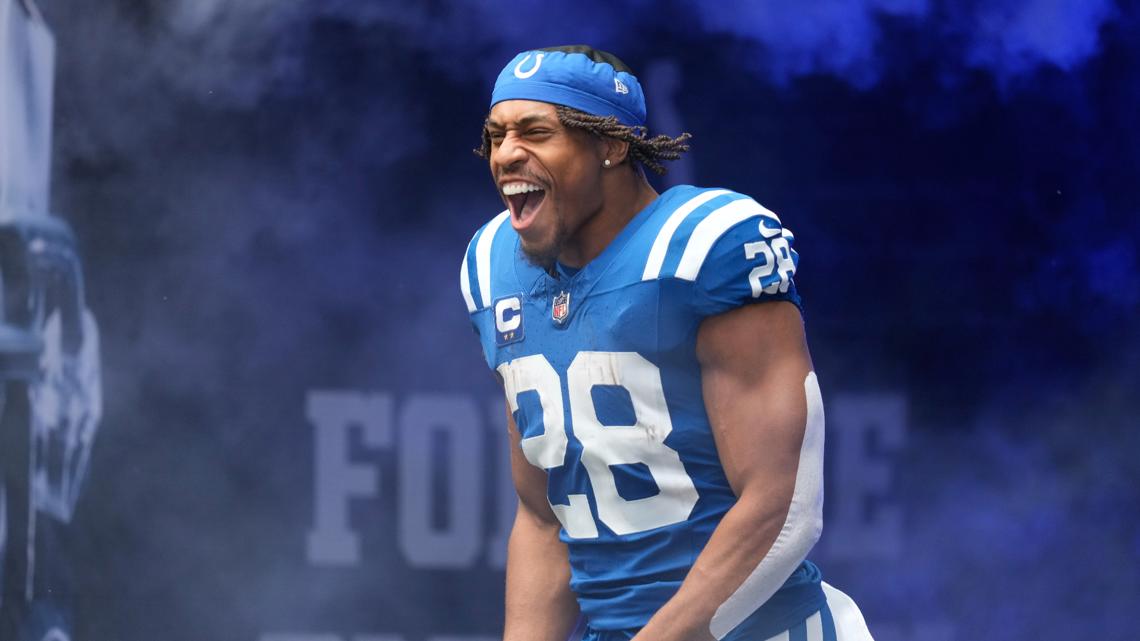
Preparing for the fantasy football playoffs means transitioning from season-long roster management to a focused three-week push in Weeks 15–17. The key advantage lies in grasping your league’s setup and tailoring your roster and lineups for those high-stakes elimination rounds. That same targeted approach applies if you’re dipping into daily fantasy, emphasizing short-term matchups and upside potential. For details on leading DFS sites with current fantasy football promotions, click here.
So, how should you set up for fantasy football playoffs?
Know Your Playoff Format First
Before you make any big moves, lock in the basics: how many teams make the playoffs, how seeding works, and which NFL weeks your playoffs actually cover. Many leagues run a 4- or 6-team bracket from Weeks 15–17, with the top seeds facing lower seeds in single-elimination matchups.
In 6-team leagues, the top two seeds usually earn a first-round bye, which is a massive advantage because it guarantees at least two scoring weeks and avoids early variance. Your late-regular-season goal should be clear: secure that bye or the highest seed possible, not just “sneak in.”
Win The Tiebreakers Before They Happen
Most platforms break regular-season ties with total points scored first, followed by head-to-head record, division record, and then less predictable criteria like points against or randomization.
If you’re in a tiebreaker race, you may need to favor higher-variance, high-upside options over safe but low-ceiling plays to build that points-scored cushion. Treat total points as your insurance policy for seeding and playoff qualification.
Rebuild Your Roster For Weeks 15–17
Once your playoff spot is close to locked in, the waiver wire becomes a championship tool, not just a place for bye-week plug-ins. Late in the year, prioritize players with clear, bankable volume and favorable playoff schedules over long-term stashes.
Cut bench players who realistically will never crack your starting lineup in the next two to three weeks—backup QBs/TEs you never start, low-ceiling vets, and players staring at brutal playoff matchups. Open those bench spots for high-upside breakout candidates and matchup-based wide receivers or running backs who can actually swing a playoff week.
Embrace Handcuffs And Defensive Moves
High-leverage running back handcuffs are especially valuable in the playoffs, when a late-season injury can instantly create a league-winning workhorse. Stash handcuffs with clear paths to heavy usage and decent Weeks 15–17 matchups, not just your own backups.
Use waivers defensively too: if your likely opponent is desperate at RB, QB, or D/ST, consider grabbing the best matchup-based option before they do. This move both strengthens your depth and weakens theirs, which is exactly what you want in a one-and-done format.
Master Streaming At Onesie Positions
Quarterback, kicker, and D/ST are perfect positions to stream because most leagues start only one of each. If you don’t roster an elite QB, lean into matchup-based streaming: focus on late-season defenses that consistently give up big passing numbers when choosing your starter in Weeks 15–17.
For kickers and D/ST, target situations, not names. Look for offenses facing soft red-zone defenses (more field goal chances) and defenses facing turnover-prone or sack-prone offenses. Plan at least a week ahead so you can grab these streamers before your opponents even start bidding.
Let Strength Of Schedule Guide The Tough Calls
During the playoffs, strength of schedule becomes a decisive tiebreaker, especially for borderline starters. Use late-season data on which defenses are bleeding points to specific positions and prioritize players in those matchups when you’re torn between similar options.
Do not bench true elites simply because of a tough on-paper matchup; talent still wins out most of the time. Instead, let schedule break ties among mid-tier RB2s, WR3s, and streaming QBs, and actively target players from offenses with soft Weeks 15–17 schedules when making late trades or waiver adds.
Set Lineups By Ceiling, Floor, And Context
Lineup philosophy should match your matchup. If projections show you as a favorite, prioritize high-floor, volume-driven players who minimize the chance of a disastrous dud. If you’re an underdog, prefer boom-or-bust receivers or big-play backs who can outscore projections by a wide margin.
Layer in external factors: bad weather and outdoor winter games often tilt things toward the run game and away from fringe passing options, while dome and warm-weather games are friendlier to QBs, WRs, and kickers. Combine game script expectations, strength of schedule, and weather to build a lineup that fits your path to winning that single, critical week.